
































































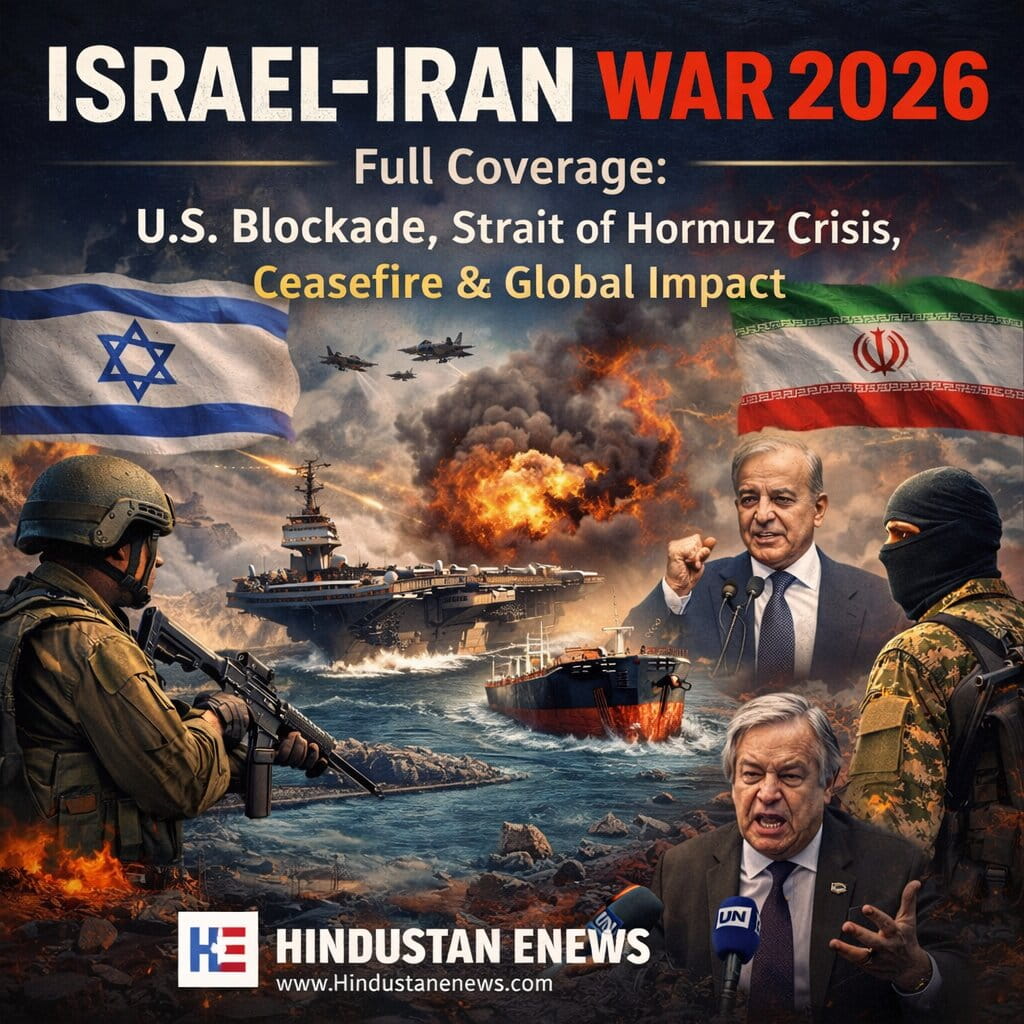
Israel–Iran War 2026 Full Coverage: U.S. Blockade, Strait of Hormuz Crisis, Ceasefire & Global Impact

Israel–Iran War 2026: Complete Coverage, U.S. Blockade, Ceasefire Talks, Oil Crisis & Global Impact
Complete in-depth coverage of the Israel–Iran war 2026 including U.S. naval blockade, Trump’s warning, Strait of Hormuz crisis, oil price surge, global reactions, and ceasefire updates.
Hindustan Enews | Updated April 14, 2026
Israel–Iran War 2026 Full Coverage: U.S. Blockade, Strait of Hormuz Crisis, Ceasefire & Global Impact
Introduction: A Global Crisis Unfolding (Israel–Iran war of 2026)
The Israel–Iran war of 2026 has rapidly evolved into one of the most consequential geopolitical conflicts in modern history. What initially appeared to be a regional escalation has now transformed into a multi-layered global crisis, involving military confrontation, economic warfare, and high-level diplomacy.
At the center of this escalation is the decision by Donald Trump to impose a naval blockade on Iranian ports and coastal routes, a move that has dramatically raised tensions across West Asia and beyond.
Simultaneously, diplomatic signals offer a fragile hope for peace. Shehbaz Sharif has stated that the ceasefire between the United States and Iran is “holding”, although negotiations have not yet resulted in a formal agreement.
This comprehensive report presents a deep, structured, and optimized analysis of the crisis, covering every major development, strategic implication, and global consequence.
Section 1: Origins of the Israel–Iran War 2026
Historical Context
The tensions between Iran, Israel, and the United States are not new. They have developed over decades due to:
- Iran’s nuclear ambitions
- Israel’s security doctrine
- U.S. geopolitical dominance in the Middle East
These tensions have periodically escalated but were largely contained through diplomacy—until now.
Immediate Trigger of the Conflict
The 2026 war was triggered by:
- Coordinated strikes involving U.S. and Israeli forces
- Iranian retaliation targeting regional assets
- Collapse of diplomatic negotiations
This led to a rapid escalation into open conflict.
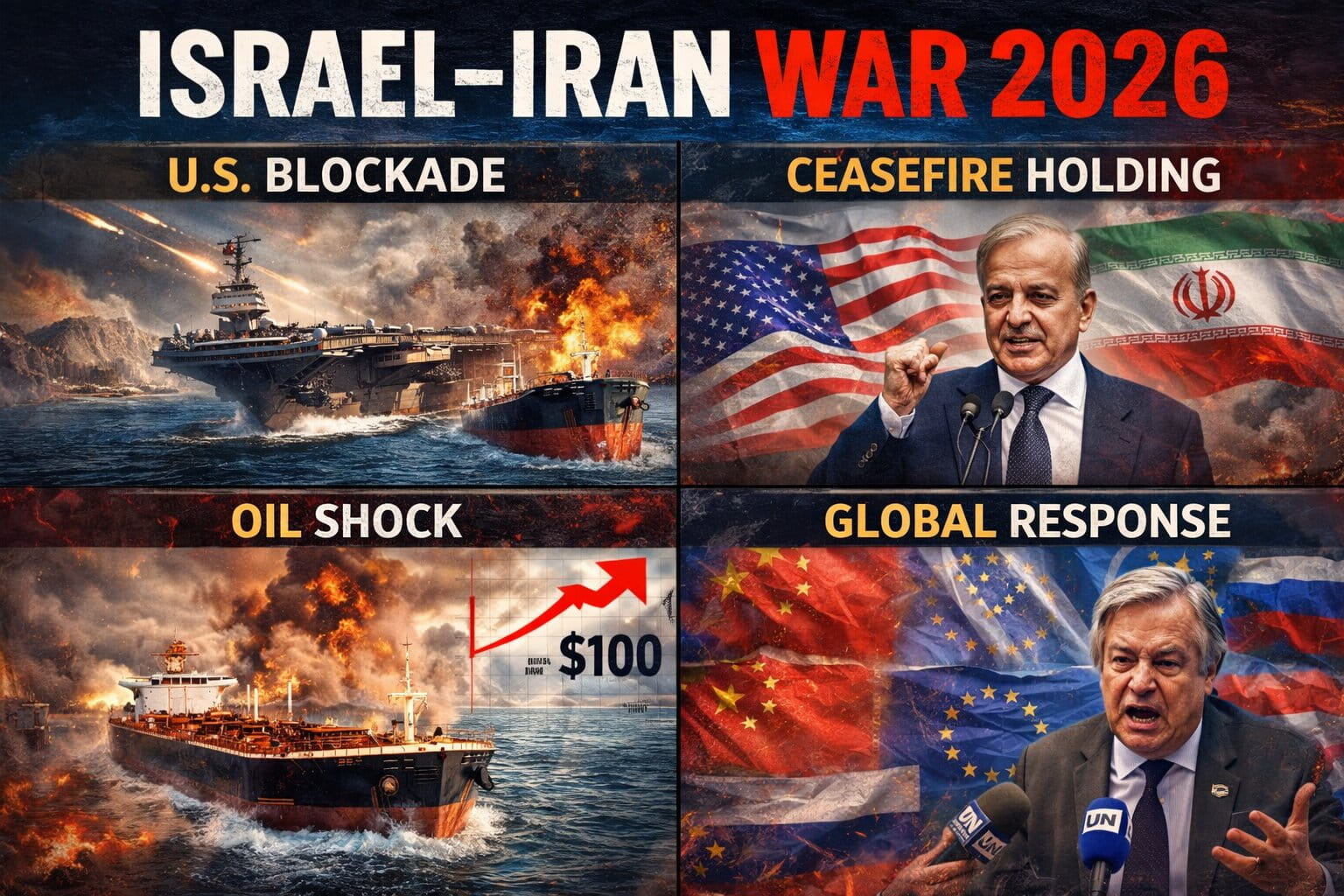
Key Players in the Conflict (Israel–Iran war of 2026)
| Country/Entity | Role |
|---|---|
| United States | Military leadership and blockade enforcement |
| Iran | Primary opposing force |
| Israel | Strategic military ally |
| Pakistan | Mediator in peace talks |
| China | Diplomatic influencer |
| Russia | Strategic supporter of Iran |
| European Nations | Neutral but active in diplomacy |
Section 2: U.S. Naval Blockade – Strategic Shift
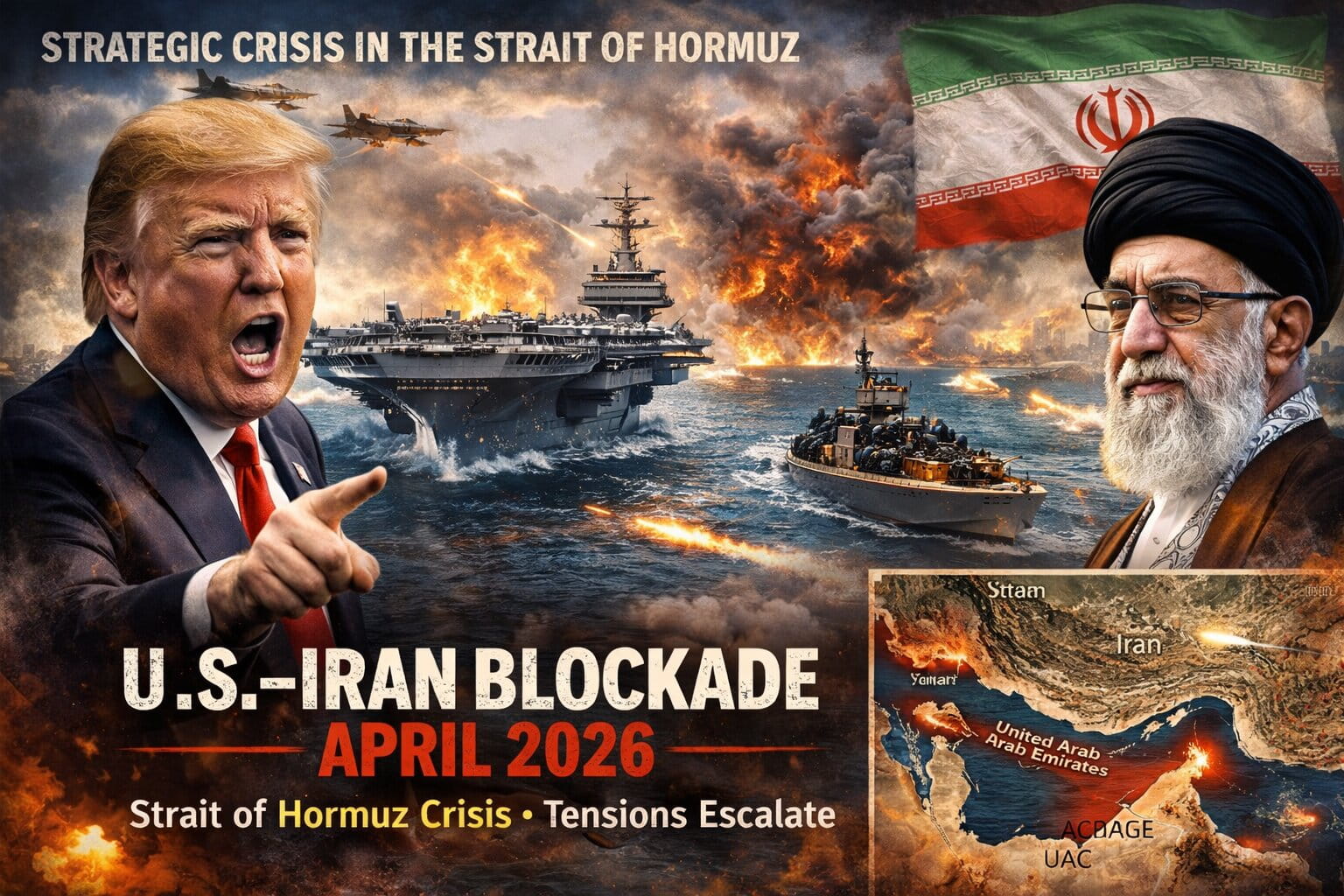
What is the Blockade?
The U.S. naval blockade is a military strategy designed to:
- Prevent Iranian oil exports
- Restrict maritime access
- Apply economic pressure
Donald Trump made it clear that any Iranian vessel approaching the blockade would be “immediately eliminated.”
Areas Covered Under Blockade
- Persian Gulf
- Gulf of Oman
- Arabian Sea
The blockade applies to all vessels linked to Iran, regardless of nationality.
Strategic Objectives
1. Economic Isolation
Cutting off Iran’s oil exports directly impacts its economy.
2. Military Containment
Limiting naval movements reduces Iran’s operational capability.
3. Diplomatic Pressure
Forcing Iran back into negotiations under U.S. terms.
Section 3: Iran’s Response & Counter Strategy
Iran has responded strongly, adopting a multi-dimensional approach.
Legal Position
Iran claims the blockade:
- Violates international law
- Constitutes an act of piracy
- Undermines freedom of navigation
Military Response
Iran warned:
- No port in the Persian Gulf will remain safe
- Retaliation will target strategic infrastructure
Strategic Leverage: Strait of Hormuz
Iran emphasized control over the Strait of Hormuz, one of the most critical chokepoints in global trade.
Section 4: Strait of Hormuz – The Global Flashpoint
Why It Matters
| Factor | Details |
|---|---|
| Global Oil Supply | ~20% passes through |
| Daily Traffic | Millions of barrels |
| Strategic Importance | Energy lifeline for Asia & Europe |
Impact of Disruption
- Oil prices surged above $100
- Shipping routes disrupted
- Insurance costs increased
- Global supply chains affected
International Concerns
António Guterres urged all parties to respect freedom of navigation.
Section 5: Ceasefire Talks & Diplomatic Efforts
Current Status
According to Shehbaz Sharif:
- Ceasefire is holding
- Talks ongoing
- Agreement not finalized
U.S. Conditions
J. D. Vance outlined key demands:
- Control over enriched uranium
- Nuclear verification system
Iran’s Position
- Open to negotiations
- Rejects certain U.S. demands
- Willing for further talks
Section 6: Global Reactions
United Nations
Called for de-escalation and peaceful resolution.
China
- Advocates diplomacy
- Supports ceasefire
Russia
- Warns of economic consequences
- Offers mediation support
Europe
- UK refuses blockade participation
- France proposes peace mission
Section 7: Economic Impact
Oil Market
| Indicator | Impact |
|---|---|
| Oil Prices | Above $100 |
| Volatility | High |
| Supply | Disrupted |
Global Economy
IMF and World Bank warned of:
- Energy crisis
- Inflation surge
- Supply chain disruptions
Stock Markets
- Initial drop
- Partial recovery
- Continued volatility
Section 8: Military Developments
United States
- Naval blockade enforcement
- Surveillance operations
Iran
- Infrastructure rebuilding
- Strategic positioning
Israel
- Expanded operations in Lebanon
- Hezbollah clashes intensifying
Section 9: Regional Impact
Middle East
- Increased instability
- Risk of broader war
Asia
- Energy dependence risk
- Economic vulnerability
Europe
- Inflation concerns
- Energy diversification
Section 10: Strategic Analysis
The conflict is now a three-dimensional war:
- Military confrontation
- Economic warfare
- Diplomatic negotiations
Possible Outcomes
| Scenario | Outcome |
|---|---|
| Peace Agreement | Stabilization |
| Prolonged War | Economic crisis |
| Escalation | Global conflict risk |
Section 11: Timeline (Detailed)
| Date | Event |
|---|---|
| Feb 28, 2026 | Conflict begins |
| April 12 | Talks fail |
| April 13 | Blockade announced |
| April 14 | Ceasefire holding |
Section 12: External Links
Section 13: FAQs
What is the Israel–Iran war 2026?
A major geopolitical conflict involving Iran, Israel, and the United States.
Why did the U.S. impose a blockade?
To pressure Iran economically and strategically.
What did Donald Trump say?
Donald Trump warned Iranian vessels would be destroyed if they approach.
Is there a ceasefire?
Yes, but it is temporary.
Why is the Strait of Hormuz important?
It carries about 20% of global oil supply.
Conclusion (Part 1)
The Israel–Iran war has entered a critical phase, where military escalation, economic disruption, and diplomatic negotiations are unfolding simultaneously.
The next developments will determine whether the world moves toward peace—or deeper crisis.
Israel–Iran War 2026: Deep Analysis, Military Strategy, Energy Crisis & Global Power Shift (Part 2)
Hindustan Enews | Continued Coverage
Section 14: Military Strategy Breakdown – U.S. vs Iran
The ongoing confrontation between the United States and Iran is not a conventional war. It is a hybrid conflict combining naval dominance, economic pressure, cyber capabilities, and proxy warfare.
At the center of the U.S. strategy is the doctrine shaped under Donald Trump, focusing on maximum pressure without full-scale invasion.
U.S. Military Strategy
1. Naval Dominance
The United States has deployed significant naval assets to:
- Enforce the blockade
- Monitor Iranian movements
- Control key maritime routes
The objective is clear: complete dominance of sea lanes, especially around the Strait of Hormuz.
2. Economic Warfare
By blocking Iranian oil exports, the U.S. aims to:
- Cripple Iran’s primary revenue source
- Create internal economic pressure
- Force diplomatic concessions
3. Strategic Deterrence
The warning that Iranian vessels would be destroyed serves as:
- A deterrent against escalation
- A psychological warfare tactic
Iran’s Military Strategy
Iran’s approach is asymmetrical and adaptive.
1. Asymmetric Naval Tactics
Iran relies on:
- Fast attack boats
- Mines and coastal defenses
- Swarm tactics
These methods are designed to counter U.S. naval superiority.
2. Regional Proxy Network
Iran’s influence extends through:
- Hezbollah in Lebanon
- Allied groups across the Middle East
This allows Iran to expand the battlefield indirectly.
3. Strategic Chokepoint Control
Iran’s strongest leverage remains the Strait of Hormuz, enabling it to:
- Threaten global oil supply
- Increase international pressure on the U.S.
Section 15: Israel’s Expanding Role in the Conflict
Israel is playing a significant military role alongside the United States.
Objectives of Israel
- Neutralize Iranian influence
- Eliminate threats from Hezbollah
- Maintain regional dominance
Current Developments
- Israeli forces have intensified operations in Lebanon
- Reports indicate encirclement of strategic towns
- Direct clashes with Hezbollah have escalated
Strategic Implications
Israel’s involvement increases the risk of:
- Multi-front war
- Regional escalation
- Wider international involvement
Section 16: The Role of Hezbollah
Hezbollah, backed by Iran, has become a key player.
Position of Hezbollah
- Rejects any U.S.-brokered agreements
- Continues armed resistance
- Expanding operational areas
Impact
- Increases instability in Lebanon
- Complicates diplomatic efforts
- Raises risk of prolonged conflict
Section 17: Energy Crisis – The Global Shockwave
The Israel–Iran war has triggered one of the most severe energy disruptions in recent history.
Oil Market Impact
| Factor | Effect |
|---|---|
| Supply Disruption | Severe |
| Price Spike | Above $100 |
| Market Volatility | High |
Why Oil Prices Are Rising
- Blockade restricting supply
- Fear of Hormuz closure
- Speculative trading
Global Consequences
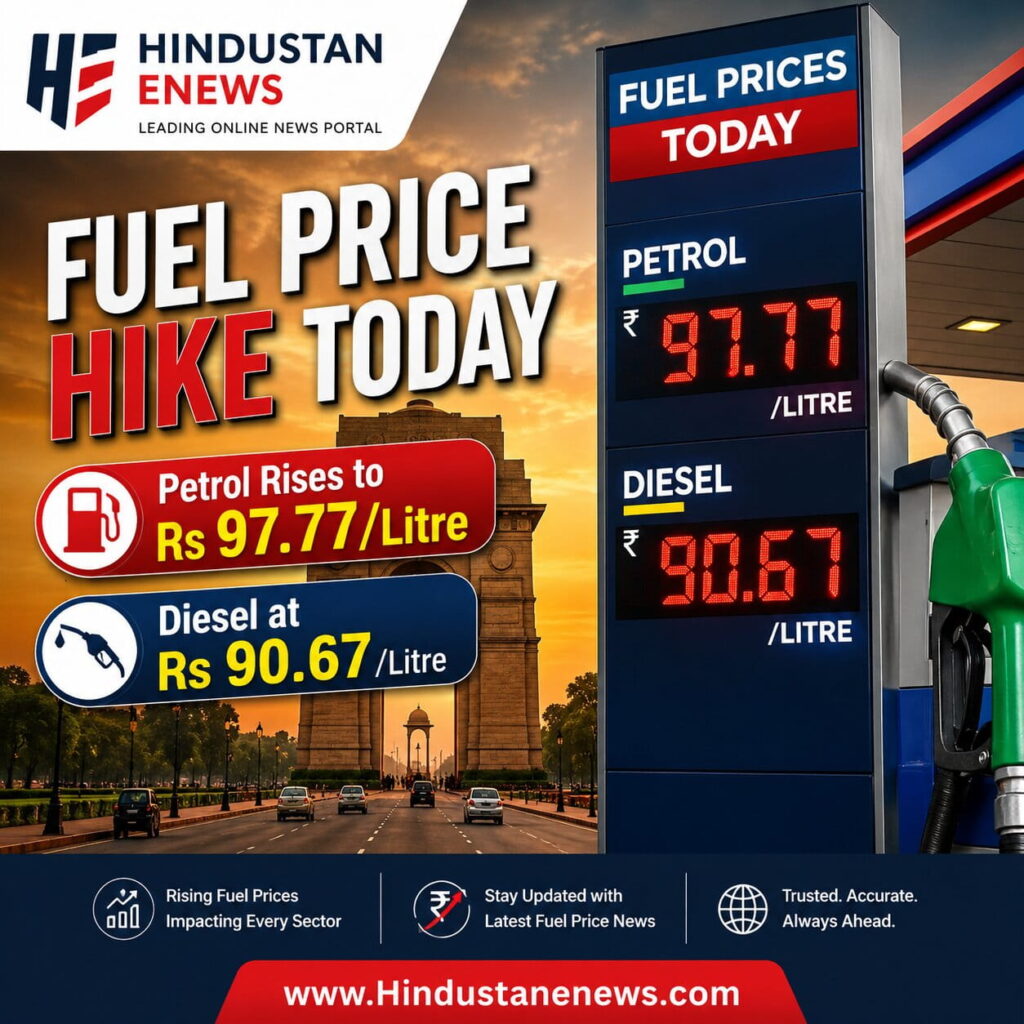
- Rising fuel prices
- Increased transportation costs
- Inflation across economies
Warning from Global Institutions
Organizations like:
- IMF
- World Bank
- International Energy Agency
have warned of a prolonged global energy crisis if the conflict continues.
Section 18: Impact on India and Asian Economies
India’s Position
India is heavily dependent on Middle Eastern oil.
Key Concerns
- Rising fuel prices
- Trade disruptions
- Impact on inflation
Government Response
- Monitoring situation closely
- Engaging in diplomatic talks
- Ensuring supply diversification
Asian Economies
Countries like:
- China
- Japan
- South Korea
face similar challenges due to their dependence on oil imports.
Section 19: Global Economic Fallout
Inflation Surge
The war has triggered:
- Higher fuel prices
- Increased cost of goods
- Pressure on central banks
Supply Chain Disruptions
- Shipping delays
- Increased freight costs
- Reduced availability of goods
Stock Market Reaction
| Phase | Market Behavior |
|---|---|
| Initial | Sharp decline |
| Later | Partial recovery |
| Current | Volatile |
Section 20: Diplomatic Power Play
Pakistan’s Mediation Role
Shehbaz Sharif has played a crucial role in:
- Hosting peace talks
- Maintaining communication channels
- Preventing escalation
China’s Strategy
- Advocates diplomacy
- Supports ceasefire
- Positions itself as global mediator
Russia’s Position
- Supports Iran diplomatically
- Offers nuclear deal solutions
- Criticizes U.S. blockade
Europe’s Approach
- Promoting peacekeeping missions
- Avoiding direct military involvement
- Supporting diplomatic negotiations
Section 21: Information Warfare & Media Narrative
The war is not just being fought on the battlefield but also in the media.
Key Elements
- Propaganda campaigns
- Social media influence
- Narrative control
Impact
- Public opinion shaping
- Political pressure
- International perception
Section 22: Cyber Warfare Dimension
Both sides are believed to be engaged in:
- Cyber attacks
- Infrastructure targeting
- Intelligence operations
Risks
- Power grid disruptions
- Financial system attacks
- Communication breakdowns
Section 23: Humanitarian Impact
Civilian Consequences
- Displacement
- Casualties
- Infrastructure damage
Aid Efforts
- Medical supplies being sent
- International humanitarian support
Section 24: Aviation & Shipping Disruptions
Aviation
- Airspace restrictions
- Flight rerouting
- Increased travel costs
Shipping
- Reduced traffic in Hormuz
- Increased insurance costs
- Delays in cargo movement
Section 25: Strategic Forecast – What Happens Next?
Short-Term Outlook
- Continued tension
- Fragile ceasefire
- Ongoing negotiations
Medium-Term Outlook
- Possible renewed conflict
- Economic instability
- Diplomatic breakthroughs
Long-Term Outlook
| Scenario | Outcome |
|---|---|
| Peace Deal | Stabilization |
| Cold Conflict | Ongoing tension |
| Escalation | Global crisis |
Section 26: FAQs
1. What is the main cause of the Israel–Iran war 2026?
The conflict is driven by geopolitical tensions, nuclear concerns, and regional power struggles involving Iran, Israel, and the United States.
2. How does the U.S. blockade affect global oil supply?
It restricts Iranian exports and creates uncertainty in the Strait of Hormuz, leading to higher oil prices.
3. Why is Iran calling the blockade piracy?
Because it believes the action violates international maritime law and restricts free navigation.
4. What role is Pakistan playing?
Shehbaz Sharif is mediating peace talks between the U.S. and Iran.
5. Could this war lead to World War 3?
While unlikely immediately, escalation involving multiple global powers could increase risks.
6. How are oil prices affected?
Prices surged above $100 due to supply fears and geopolitical instability.
7. What is the role of Israel?
Israel is conducting military operations and supporting U.S. strategy.
8. What is the significance of the Strait of Hormuz?
It is the most critical oil transit route globally.
9. Are global markets stable?
Markets remain volatile with uncertainty due to the conflict.
10. What happens if the ceasefire fails?
It could lead to full-scale escalation and severe global consequences.
Conclusion (Part 2)
The Israel–Iran war has evolved into a complex global crisis involving military, economic, and diplomatic dimensions. The involvement of major powers and the strategic importance of energy routes make this conflict one of the most critical developments of 2026.
Israel–Iran War 2026: Country-Wise Impact, Global Power Shift, Future Risks & Complete Breakdown (Part 3)
Hindustan Enews | Extended Coverage
Section 27: Country-Wise Impact Analysis
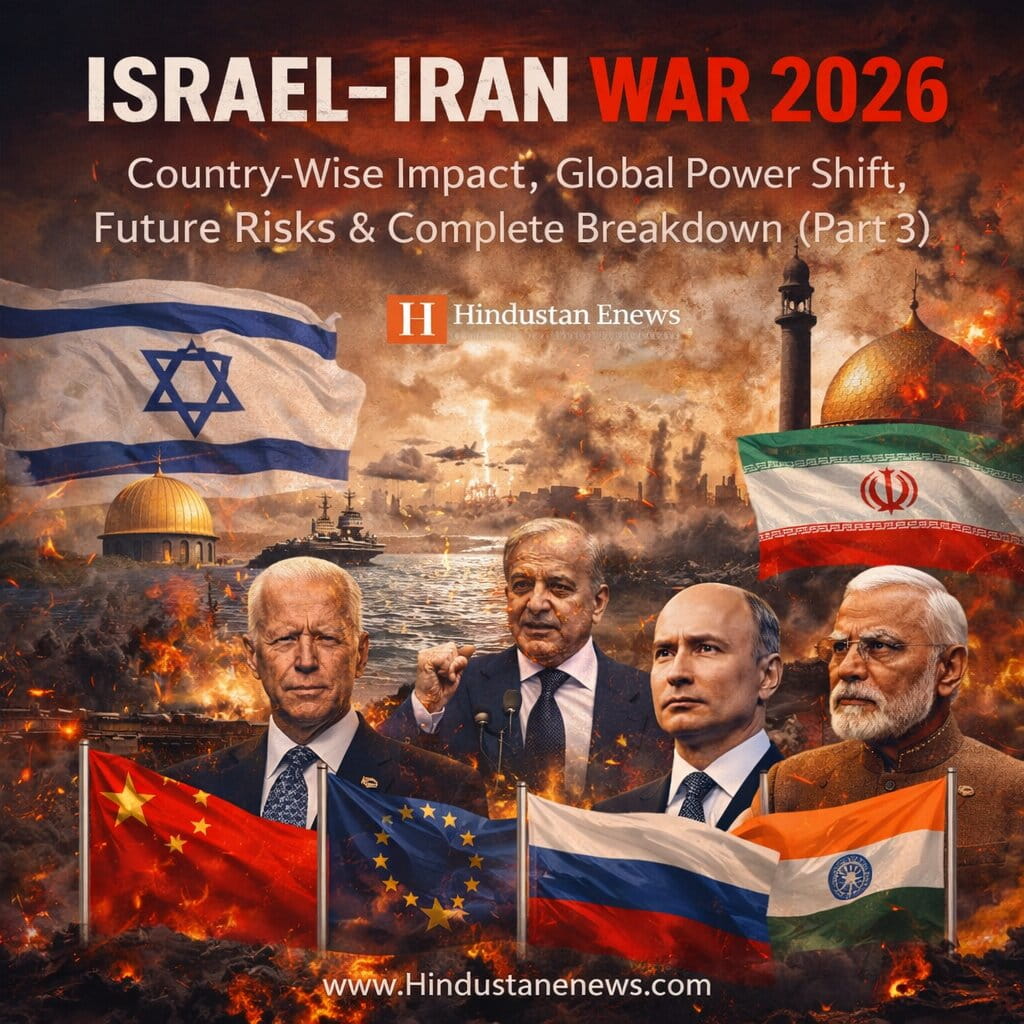
The Israel–Iran war is not confined to the Middle East—it is reshaping global geopolitics. Every major economy and strategic power is being affected in different ways.
United States: Strategic Dominance vs Economic Risk
The United States, led by Donald Trump, is at the forefront of the conflict.
Strategic Gains
- Demonstrates military dominance
- Reinforces control over global shipping routes
- Strengthens alliances with Israel and regional partners
Economic Risks
- Rising oil prices affecting domestic inflation
- Increased military expenditure
- Pressure on financial markets
Political Implications
- Strong leadership image domestically
- Criticism from global leaders
- Diplomatic tensions with allies
Iran: Resistance Under Pressure
Iran faces the most direct impact from the blockade and military pressure.
Economic Challenges
- Oil export restrictions
- Currency instability
- Inflation surge
Strategic Strengths
- Control over the Strait of Hormuz
- Strong regional alliances
- Ability to disrupt global energy supply
Political Position
Iran maintains that:
- It is open to negotiations
- U.S. demands are unacceptable
- Sovereignty must be respected
Israel: Security and Expansion Strategy
Israel’s involvement is focused on neutralizing threats.
Military Gains
- Targeting Hezbollah infrastructure
- Expanding operational control in Lebanon
- Strengthening defense posture
Risks
- Multi-front war
- Civilian impact criticism
- Prolonged military engagement
Pakistan: The Diplomatic Bridge
Shehbaz Sharif has positioned Pakistan as a key mediator.
Role in Conflict
- Hosting peace talks
- Facilitating communication
- Maintaining ceasefire momentum
Strategic Importance
Pakistan’s role enhances:
- Diplomatic credibility
- Regional influence
- Global recognition
China: Silent Power Player
China is taking a calculated approach.
Objectives
- Ensure energy security
- Avoid direct conflict
- Expand diplomatic influence
Strategy
- Support negotiations
- Maintain trade relations
- Position as peace mediator
Russia: Strategic Balancer
Russia has taken a supportive stance toward Iran.
Key Moves
- Offering to store Iran’s enriched uranium
- Criticizing U.S. blockade
- Engaging in diplomatic talks with China
Strategic Goal
- Counter U.S. influence
- Strengthen alliances
- Maintain global relevance
European Union: Stability First Approach
Europe is focused on avoiding escalation.
Key Actions
- Supporting ceasefire
- Proposing peace missions
- Avoiding military involvement
Challenges
- Energy dependency
- Inflation pressure
- Political divisions
India: Balancing Diplomacy & Energy Needs
India is one of the most affected countries due to energy dependency.
Key Concerns
- Rising oil prices
- Impact on economy
- Indian diaspora safety in Gulf
Strategic Response
- Diplomatic engagement
- Diversification of energy sources
- Monitoring regional developments
Section 28: Global Power Shift – A New World Order?
The Israel–Iran war is accelerating a shift in global power dynamics.
Emerging Trends
1. Multipolar World
Power is no longer concentrated in one region.
2. Energy Politics
Control over energy routes defines global influence.
3. Strategic Alliances
Countries are aligning based on interests, not ideology.
Key Observations
- U.S. dominance is being challenged
- China and Russia gaining influence
- Middle East becoming central to global politics
Section 29: Risk of Escalation – How Close Is the World to a Larger War?
Key Risk Factors
- Failure of ceasefire
- Expansion of Israeli operations
- Iranian retaliation
- Involvement of additional countries
Possible Escalation Scenarios
| Scenario | Description |
|---|---|
| Regional War | Spread across Middle East |
| Global Conflict | Involvement of major powers |
| Economic Collapse | Severe global recession |
Section 30: Impact on Global Trade & Supply Chains
Shipping Industry
- Reduced traffic through Hormuz
- Increased insurance premiums
- Delayed shipments
Trade Routes
- Alternative routes being explored
- Increased logistics costs
- Supply shortages
Global Impact
- Slower economic growth
- Increased cost of goods
- Trade imbalances
Section 31: Technology & Cyber Warfare Expansion
Modern warfare now includes cyber dimensions.
Cyber Threats
- Attacks on infrastructure
- Financial system disruptions
- Data breaches
Impact
- National security risks
- Economic losses
- Global instability
Section 32: Media, Propaganda & Information Control
The narrative of the war is being shaped globally.
Key Elements
- Government messaging
- Social media campaigns
- International media influence
Result
- Public opinion divided
- Increased misinformation
- Political pressure
Section 33: Environmental Impact of the War
Key Concerns
- Oil spills
- Air pollution
- Marine ecosystem damage
Long-Term Risks
- Climate impact
- Environmental degradation
- Sustainability challenges
Section 34: Humanitarian Crisis – The Silent Impact
Civilian Impact
- Displacement
- Loss of life
- Infrastructure damage
International Response
- Aid shipments
- Medical assistance
- Relief operations
Section 35: Aviation, Travel & Tourism Impact
Aviation Industry
- Flight rerouting
- Airspace restrictions
- Increased ticket prices
Tourism Sector
- Decline in travel
- Economic losses
- Safety concerns
Section 36: FAQs
1. What countries are involved in the Israel–Iran war 2026?
The main countries involved are the United States, Iran, and Israel, with diplomatic roles played by Pakistan, China, Russia, and European nations.
2. Why is the Strait of Hormuz important in this conflict?
It is a key global oil route, making it strategically vital for both economic and military reasons.
3. How does the war affect global oil prices?
The conflict disrupts supply, leading to price spikes and market volatility.
4. What is the role of Donald Trump in this war?
He ordered the naval blockade and set strict conditions for negotiations.
5. Is the ceasefire between the U.S. and Iran stable?
It is currently holding but remains fragile.
6. What role is Pakistan playing in the conflict?
Shehbaz Sharif is mediating peace talks.
7. How does the war impact India?
India faces rising oil prices, economic pressure, and concerns about citizens in the Gulf.
8. Could the conflict spread globally?
Yes, if more countries become directly involved.
9. What are the economic consequences of the war?
Inflation, supply chain disruptions, and market instability.
10. What is the future outlook of the conflict?
It depends on diplomatic success and military actions.
Section 37: Summary
The Israel–Iran war 2026 is a major geopolitical conflict involving the United States, Iran, and Israel. The crisis escalated after the U.S. imposed a naval blockade on Iranian ports, leading to rising tensions in the Strait of Hormuz. Oil prices surged, global markets became volatile, and diplomatic efforts are ongoing to maintain a fragile ceasefire. The outcome of this conflict will significantly impact global energy supply, economic stability, and international relations.
Conclusion (Part 3)
The Israel–Iran war is no longer just a regional issue—it is a global crisis reshaping politics, economics, and security worldwide. With multiple nations involved and high stakes at play, the situation remains highly volatile.
The final outcome will depend on diplomacy, strategic decisions, and the ability of global powers to prevent further escalation.
Israel–Iran War 2026: Final Analysis, Expert Conclusion, FAQs & Guide (Part 4)
Hindustan Enews | Final Part
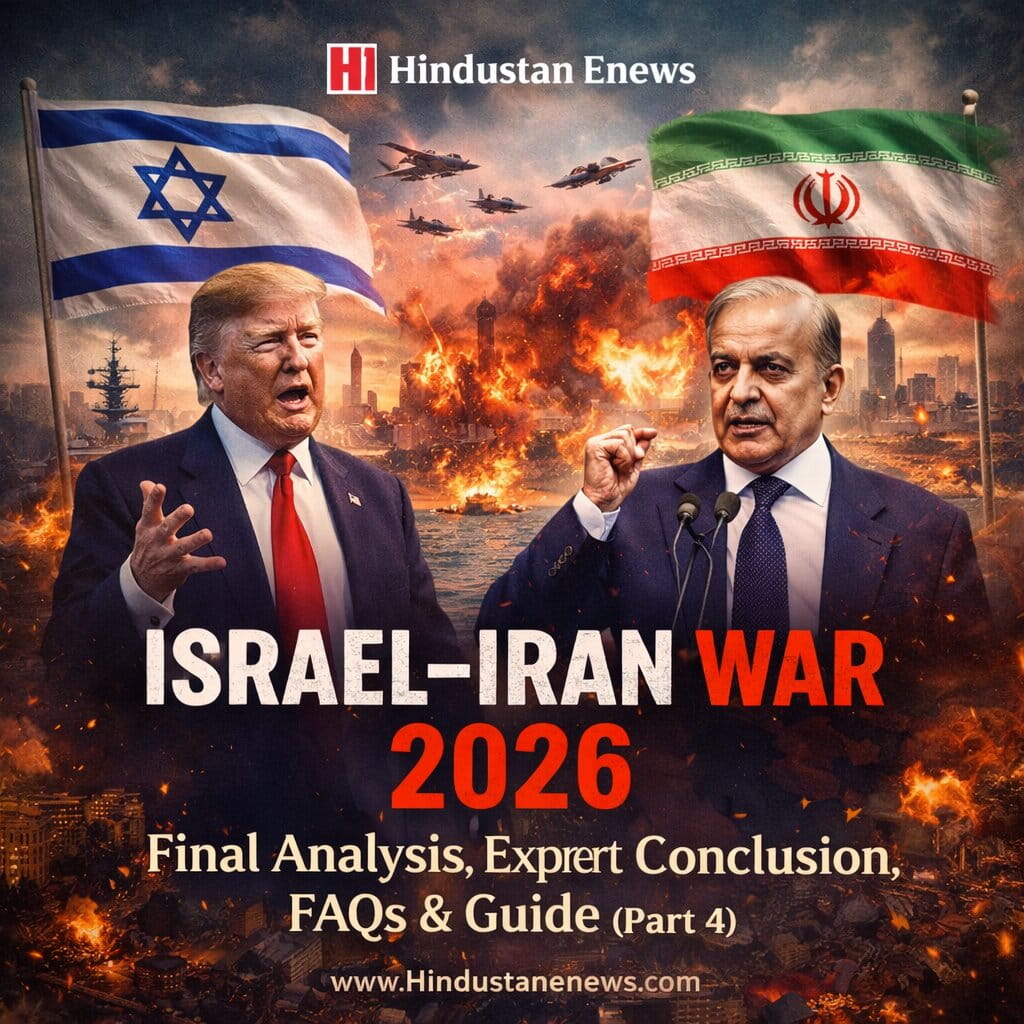
Section 38: Final Strategic Conclusion (Editorial Authority Analysis)
The Israel–Iran war of 2026 represents a defining moment in 21st-century geopolitics. What initially appeared to be a regional military escalation has now evolved into a global strategic confrontation involving military power, economic warfare, and diplomatic negotiation.
At the center of this crisis stands Donald Trump, whose decision to impose a naval blockade on Iran has fundamentally altered the dynamics of the conflict. This move has not only intensified military tensions but has also triggered widespread economic consequences, particularly in global energy markets.
Simultaneously, diplomatic efforts led by Shehbaz Sharif have prevented immediate escalation into full-scale war. The fragile ceasefire remains one of the few stabilizing factors in an otherwise volatile situation.
The Big Picture
This war is not just about territory or military dominance—it is about:
- Control of global energy routes
- Influence over international alliances
- Redefinition of global power structures
Key Takeaways
- Military escalation is controlled but dangerous
- Economic impact is already global and severe
- Diplomatic efforts are critical but uncertain
- Energy security is the central issue
- The world is moving toward a multipolar power structure
Section 39: Future Outlook – What Happens Next?
Short-Term (Next 30 Days)
- Ceasefire likely to hold with minor violations
- Continued diplomatic negotiations
- Oil price volatility
Medium-Term (3–6 Months)
- Possible agreement on nuclear terms
- Stabilization of shipping routes
- Gradual economic recovery
Long-Term (1–5 Years)
| Scenario | Outcome |
|---|---|
| Peace Deal | Regional stability |
| Cold Conflict | Ongoing tension |
| Major War | Global crisis |
Section 40:
What is the Israel–Iran war 2026?
The Israel–Iran war 2026 is a major geopolitical conflict involving Iran, Israel, and the United States, marked by military escalation, a U.S. naval blockade, and global economic disruption.
Why is the Strait of Hormuz important?
The Strait of Hormuz is a critical global oil route through which nearly 20% of the world’s oil supply passes, making it strategically vital.
Is there a ceasefire between the U.S. and Iran?
Yes, a temporary ceasefire is currently holding, but a permanent agreement has not been reached.
What did Donald Trump say about Iran?
Donald Trump warned that Iranian ships approaching the U.S. blockade would be destroyed.
Section 41: FAQs
General War Questions
1. What caused the Israel–Iran war 2026?
The conflict was triggered by military strikes, nuclear tensions, and geopolitical rivalry.
2. Which countries are involved?
The main countries are the United States, Iran, and Israel.
3. Is the war still ongoing?
Yes, with a temporary ceasefire in place.
Military & Strategy FAQs
4. What is the U.S. blockade of Iran?
It is a naval restriction preventing ships from accessing Iranian ports.
5. How strong is Iran’s military response?
Iran relies on asymmetric warfare and regional alliances.
6. What role does Israel play?
Israel is actively engaged in military operations against Iran-backed groups.
Economic Impact FAQs
7. How does the war affect oil prices?
Oil prices have surged due to supply disruptions.
8. Will fuel prices increase globally?
Yes, higher oil prices directly impact fuel costs worldwide.
9. What is the impact on global markets?
Markets are volatile due to uncertainty.
Diplomatic FAQs
10. Who is mediating the conflict?
Shehbaz Sharif is playing a key mediation role.
11. Are peace talks successful?
Talks are ongoing but no final agreement yet.
India-Specific FAQs
12. How does the war affect India?
India faces rising oil prices and economic pressure.
13. Is India involved in the conflict?
No, but it is monitoring the situation closely.
Global Impact FAQs
14. Could this lead to World War 3?
While unlikely immediately, escalation risks remain.
15. What is the role of China?
China supports diplomatic resolution.
16. What is Russia’s stance?
Russia supports Iran diplomatically.
Energy & Trade FAQs
17. Why is the Strait of Hormuz critical?
It is the world’s most important oil transit route.
18. How does the blockade affect shipping?
It disrupts global trade and increases costs.
19. What is the future of the Israel–Iran conflict?
It depends on diplomatic success and military developments.
20. Will oil prices stabilize?
Only if tensions reduce and supply resumes.
Section 42: Final Editorial Summary
The Israel–Iran war is not just a regional conflict—it is a global turning point. It highlights:
- The fragility of international peace
- The importance of energy security
- The shifting balance of global power
The decisions made in the coming weeks will shape not only the outcome of this conflict but also the future of global geopolitics.
Final Closing Line
Hindustan Enews will continue to provide the most accurate, timely, and in-depth coverage of the Israel–Iran war 2026 as the situation develops.
- Israel–Iran War 2026 Full Analysis
- Author: Hindustan Enews
- Date Published: April 14, 2026
- Israel Iran War, US Iran Conflict, Oil Crisis